

Flexibility and strategy...... After not the best night's sleep I've ever had, I'm awake at 7.00 am and start by editing and updating my blog from yesterday followed by planning my site visits for today. All the sites today will be connected with the Sukhothai Historical Park but when I actually add up the number I've found I quickly realise that unless I edit the list pretty soon, I'll be in the park for more than the day I've planned. Fortunately flexibility on these tours is the watchword and I'm prepared to add time to coverage of this important site rather than leave it open-ended. The list currently stands at 2 dozen sites, all making a valued contribution to my tour notes. What I really need now is a site map so I can devise my strategy. But first some breakfast even though I know it's just rice soup and coffee. The time is only 9.00 am so time is on our side.
Tall order...... A couple of dozen sites with still no idea of a starting point is not the best way to proceed as we head back to the Historical Park. Fortunately a significant reference point is right near the park entrance, the Ramkhamhaeng National Museum. However we jump the gun and visit Wat Tra Phang Thong first which lies directly before the museum. Entry to the museum is currently free until 31st January as a mark of respect to the late King Bhumipol but with a normal fee of 150 baht it's still a must for anyone starting a tour of the park.
The Sukhothai Historical Park
'For a new building, the honour belongs only to the builder. For an ancient site, however, the prestige belongs to the entire nation. Even one old brick has its value.
We should help preserve ancient ruins. If we don't have Sukhothai, Ayutthaya and Bangkok, there is nothing left for Thailand.'
The King's speech inaugurating the Chao Samphraya National Museum in Ayutthaya in 1961
The Inner Monuments
Wat Trapang Thong...... Wat Trapang Thong is an important temple in the Sukhothai Historical Park located on an island in the middle of a pond or swamp. All that remains today is a ruined laterite Sinhalese-style round-shaped chedi. In front is a small square structure built of brick with the Lord Buddhas footprint on a slab removed from Phra Bat Yai Hill.
Ramkhamhaeng National Museum...... The Ramkhamhaeng National Museum is a branch of the National Museum of Thailand in the Sukhothai Historical Park opened in 1964 by Thailand's King Bhumibol Adulyadej and Queen Sirikit. More than 2,000 artifacts were donated from Phra Ratchaprasitthikhun, the abbot of Ratchathani Temple. Locals also contributed to the collection by donating many historical objects. Most of the objects on display in the main museum building, come from Sukhothai, others were found in Si Satchanalai, Kamphaeng Phet, Phichit and Phetchabun. The collection includes prehistoric objects, Buddha images and Hindu god sculptures from Wat Phra Phai Luang and Wat Mahathat, sculptures from the pre-Sukhothai period (about 13th century), Sukhothai artifacts from the 14th and 15th centuries, early Ayutthaya artifacts from about 1351 to 1488, porcelain from the Yuan, Ming and Qing dynasties all found during the excavations in Sukhothai and Si Satchanalai.
Wat Kamphaeng Laeng...... Wat Kamphaeng Laeng is a small temple with a brick foundation for a viharn (hall) with twenty bases of aligned stupas in different shapes. The base of the walls are in laterite. Many Sangalok lion's heads, a decorative feature of the eastern side, were found in excavations in 1968.
Wat Noen Prasat...... Wat Noen Prasat lies to the east and adjacent to Wat Mahathat. It consists of a base 27.5 m. wide x 51.5 m. long and 2.5 m. high adorned with overturned and upturned lotus molding. It has both front and back stairs. In 1833 during a visit by King Rama IV he found the stone inscription No. 1 which is inscribed with the story of Sukhothai.
Wat Chang Songkhram...... Wat Chang Songkhram situated to the north of Wat Mahathat and near the city pillar shrine has a vast imposing bell-shaped chedi. To the east is an assembly hall (viharn) and subordinate chedis surrounding the main chedi. It is believed that this chedi is of later design from the Ayutthaya period.
King Ramkhamhaeng Monument...... The King Ramkhamhaeng Monument was built to honour and commemorate King Ramkhamhaeng, the great king of the Sukhothai period, who created the Thai alphabet. The planning of the structure was directed by the Fine Arts Department, led by General Thanom Kittikhajon, the prime minister who was the chairman of the opening ceremony on 26th November 1969.
Wat Mai...... Wat Mai is located to the northeast of Wat Mahathat. There is a huge assembly hall (viharn) with a two-tiered base. The decorative items found on the base show Ayutthaya influence. Around the viharn are five small chedis while 100 metres to the north there is a chedi with a base of nine spires. The main chedi is in the middle surrounded by eight subordinate chedis.
Wat Sra Si...... Wat Sra Si, located northwest of Wat Mahathat, is a beautiful ancient monument in the middle of a large reservoir know as Traphang Trakuan. Its important buildings include a round bell-shaped chedi, an assembly hall (viharn) and an ordination hall (ubosot). The round stupa serves as historical evidence of the prevalence of Senghalese Buddhism in Sukhothai.
Wat Trapang Ngoen...... Located 300 m. west of Wat Mahathat, Wat Trapang Ngoen is an ancient temple without a boundary wall. It is composed of the main chedi, an assembly hall (viharn) and an ordination hall (ubosot) in the middle of the reservoir. The main chedi was built in the shape of a lotus bud with four niches to enshrine standing and walking Buddha images.
Wat Si Sawai...... Wat Si Sawai is located to the south of Wat Mahathat. Its three prangs (imitating Hindu Shikhara Vimanas) are regarded as ancient monuments of considerable significance. Demarcated by a wall the three prangs were build in Lopburi style with evidence of Hindu images including the god Vishnu reclining on a naga seat. Decorated stuccos have also been found of type found on Chinese wares.
Wat Tra Kuan...... Wat Tra Kuan (right) has been known by this name since 1907. Its name was mentioned in the stone inscription of Wat Sorasak in the early 15th century. It is said that the Venerable Mahathera Dharmatrailok from Dao Kho came to see his nephew, a ruler of Sukhothai, and resided at Wat Tra Kuan during his visit.
The Outer Monuments
Wat Saphan Hin...... Wat Saphan Hin is located a couple of kilometres west of the city wall situated on a mound, 200 metres high, an ascent for 300 metres from the foot of the mound along a stone walkway (saphan hin means stone bridge). Along the paved way is a small lotus bud chedi. This temple is well-know for its standing Buddha image mentioned in stone inscription No. 1.
Wat Chang Rop...... Wat Chang Rop is situated outside the city wall to the west in the Aranyik forest temple area, near Wat Aranyik and Wat Khao Phra Bat Noi. This temple has a main bell-shaped chedi on a square base decorated with 24 sculptures of elephants, an ordination hall (ubosot) in front of the chedi and five subordinate chedis around the perimetre.
Wat Aranyik...... Wat Aranyik is situated outside the city wall some 2.3 kilometres west of the Or (western) Gate at the foot of a hill in the Aranyik forest temple area. On this site is a rectangular well-made from laterite that supplied water all year round. The temple has bases for small buildings including the assembly hall (viharn) and ordination hall (ubosot) with paved walkways connecting them.
Wat Khao Phra Bat Noi...... Wat Khao Phra Bat Noi is situated outside the city wall some 2.7 kilometres west of the Or (western) Gate in the Aranyik forest temple area. Important ancient monuments were built on the mound including a main chedi with niches to enshrine Buddha images on four sides with a bell-shaped body covered in thin lines like a fishing net, the only one in Sukhothai with such a distinctive feature. In front of the main chedi there is an assembly hall (viharn) enshrining four footprints of the Buddha in the same place, currently exhibited at the Ramkhamhaeng National Museum.
Wat Si Chum...... Wat Si Chum lies outside the city wall in the northwest corner, this ancient monument being well-known for its large sitting Buddha image in the attitude of subduing Mara. It was mentioned in the stone inscription No 1 as Phra Achana (one who is not frightened). Between 1953 and 1956 the building and Buddha image were restored by the Fine Art Department. Stone inscription No 2 was found in a recess in the wall of this temple and is regarded as significant historical evidence for the founding of Sukhothai.
Wat Phra Phai Luang...... Wat Phra Phai Luang in the area of the Sangkhalok Kilns is one of the oldest monuments in Sukhothai. The temple located in the North zone was founded by the Khmer. It was the center of the town in the pre Sukhothai era and the most important temple of that time.
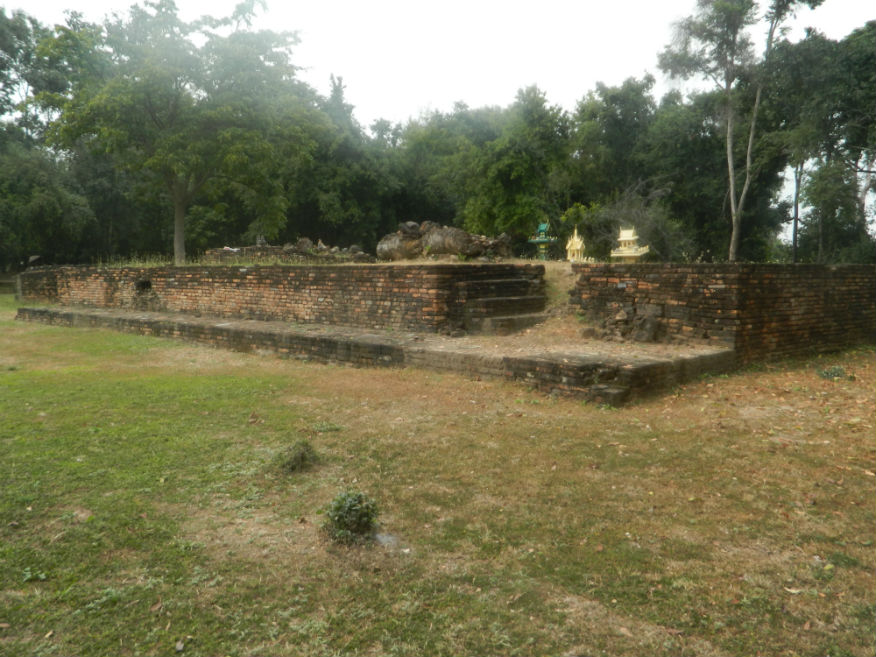
Wat Tao Thu Riang...... Wat Tao Thu Riang in the area of the Sangkhalok Kilns is thought to have been built after the production of glazed earthenware ceased. The temple consists of a viharn (assembly hall) and 3 small chedis. It was excavated and restored in 1965. Originally there were stucco reliefs of the Lord Buddha in the posture of subduing Mara surrounded by a group of gods, now in ruins.
Winding down...... To excuse the pun as the time turns towards late afternoon I've made a monumental effort to record such an impressive list as appears above. Clearly I don't intend at this stage to provide here anything more than a brief description, but it will be work-in-progress to provide photographs and reviews at a later stage. During a brief respite, we change rooms to one with a fridge paying an extra 100 baht before heading out for dinner at 6.00 pm back into the city noting that the resort has parking issues delaying departure. We end up eating street food on the pavement: Cheap and filling. As I write up some notes in late evening I'm aware that despite such an impressive list of site visits today there's still a lot to do tomorrow but the plan at present is to move north to another district sometime in the afternoon tomorrow. Next Page.

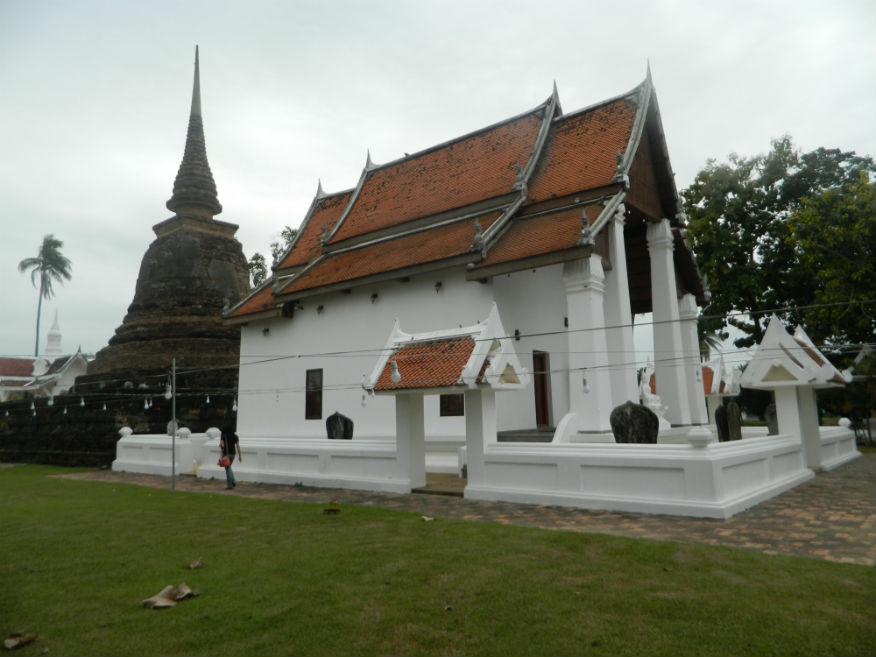

Wat Trapang Thong

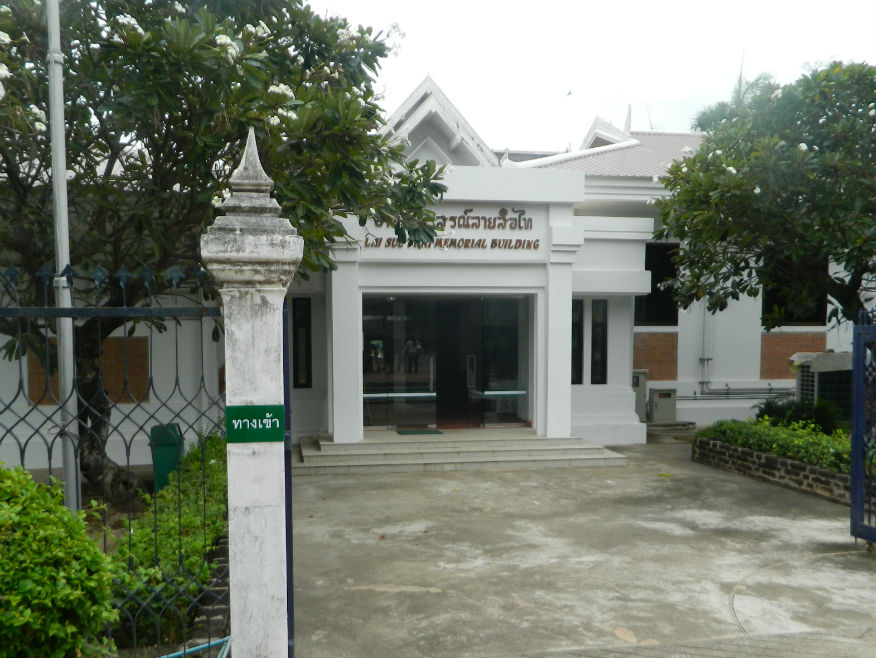


Ramkhamhaeng National Museum


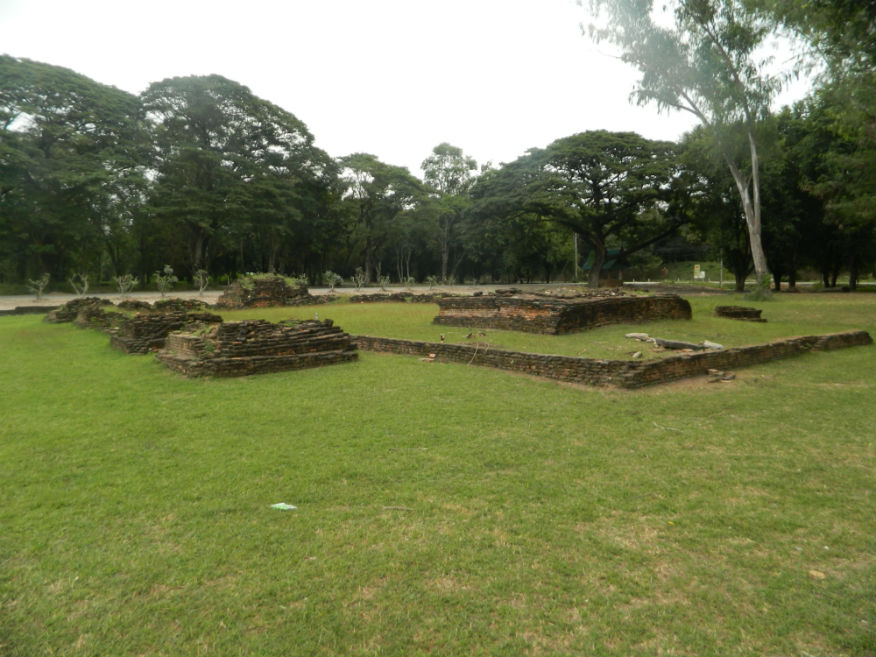
Wat Kamphaeng Laeng


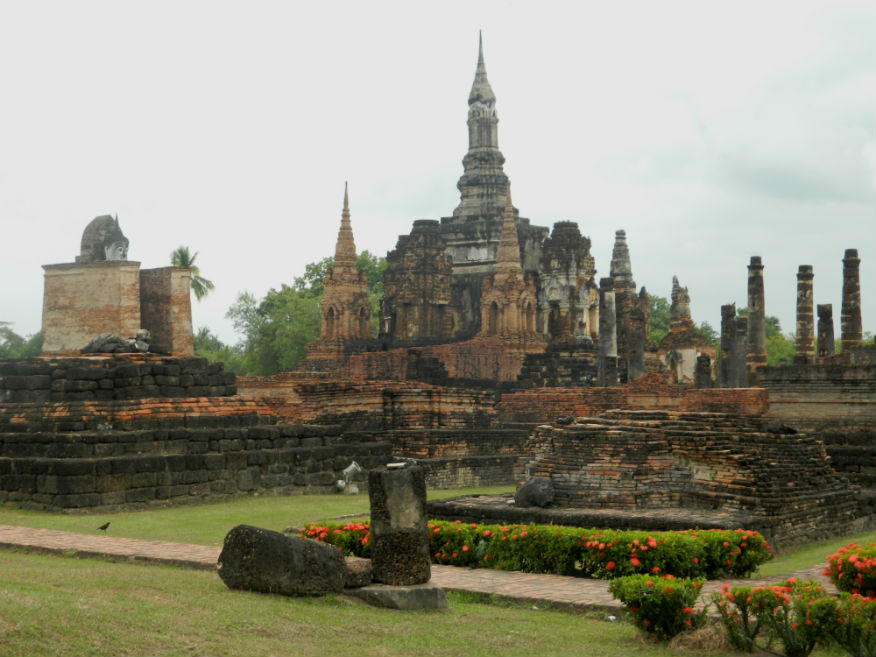


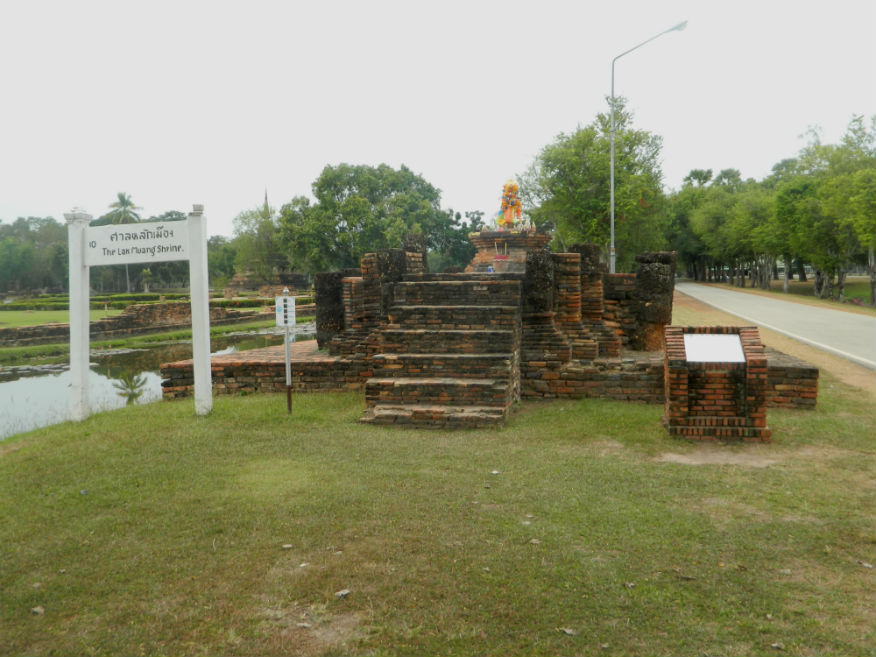
Wat Mahathat
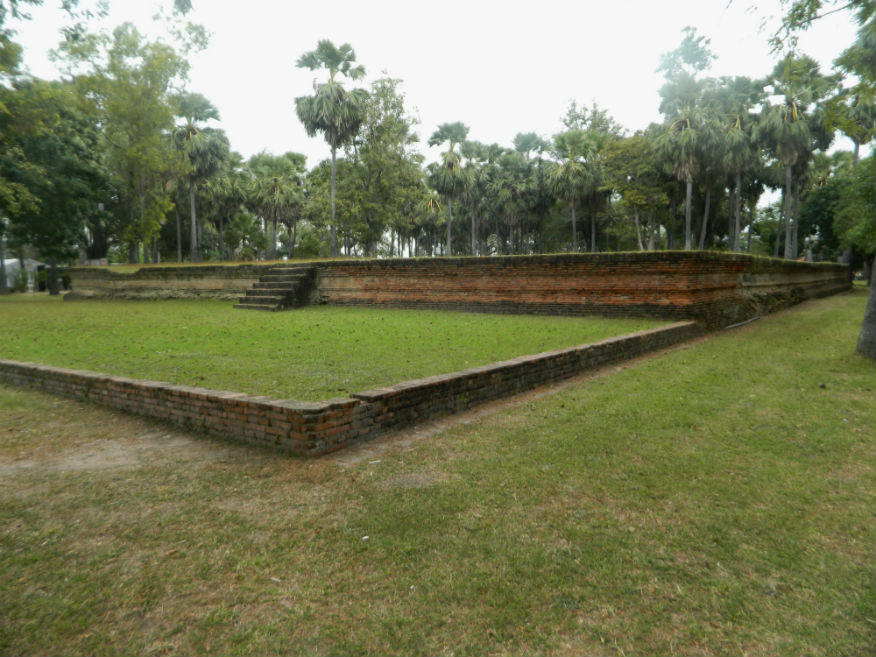
Wat Noen Prasat
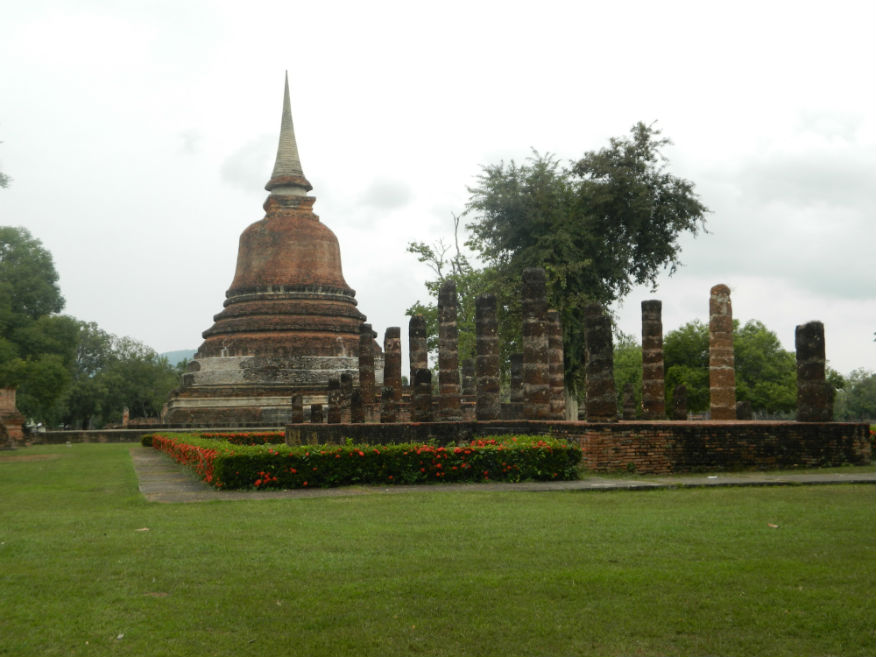
Wat Chang Songkhram
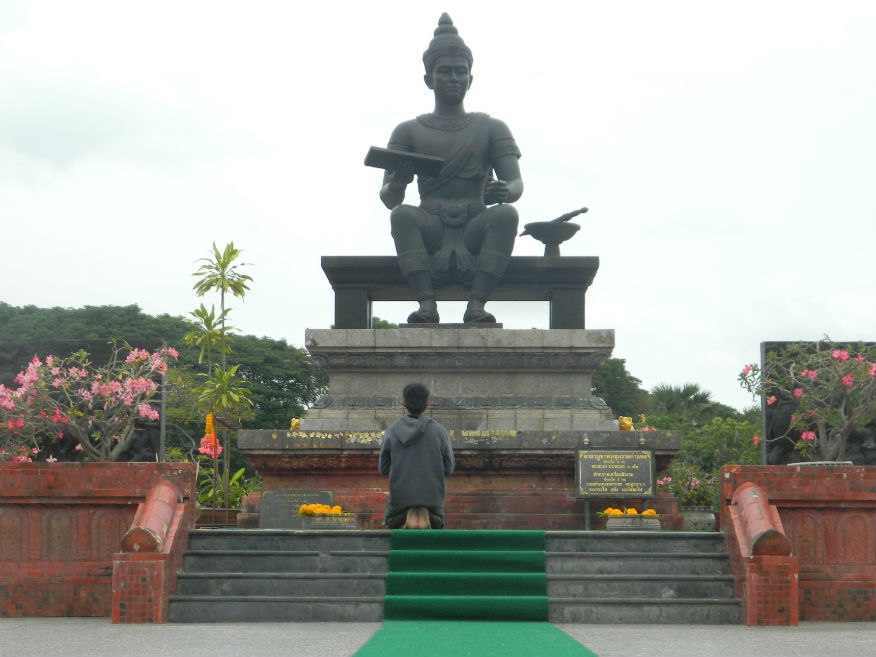
King Ramkhamhaeng Monument


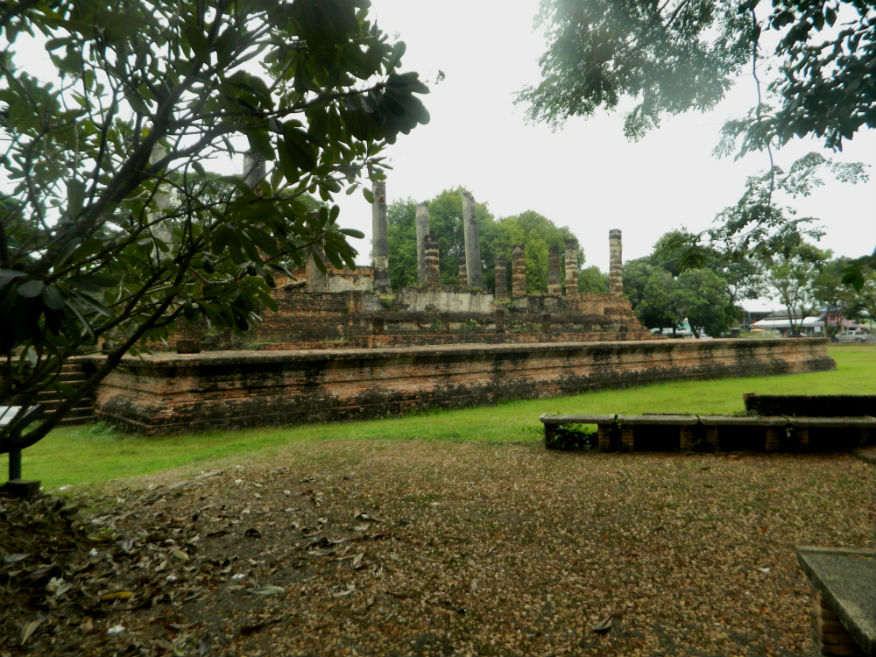
Wat Mai
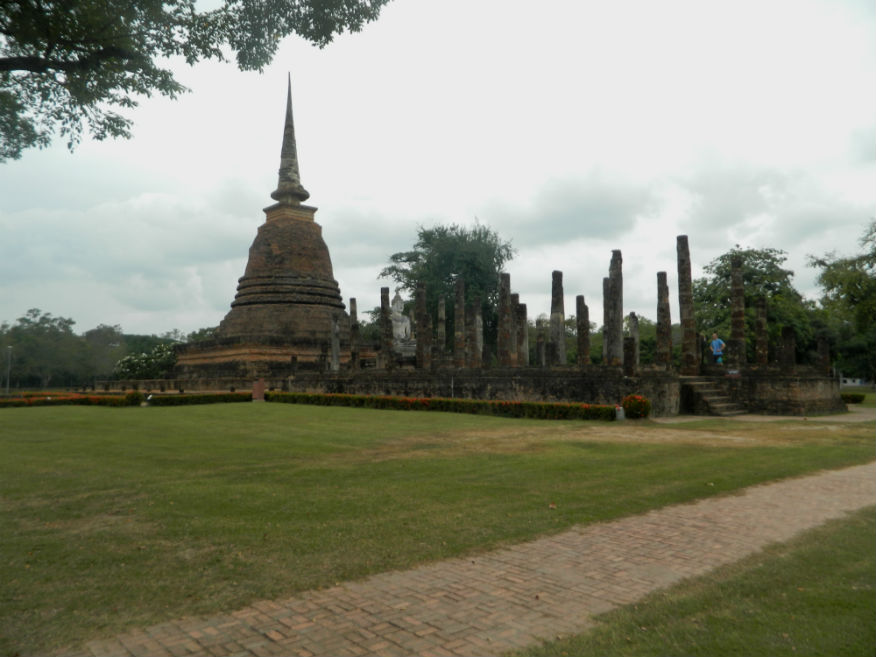


Wat Sra Si


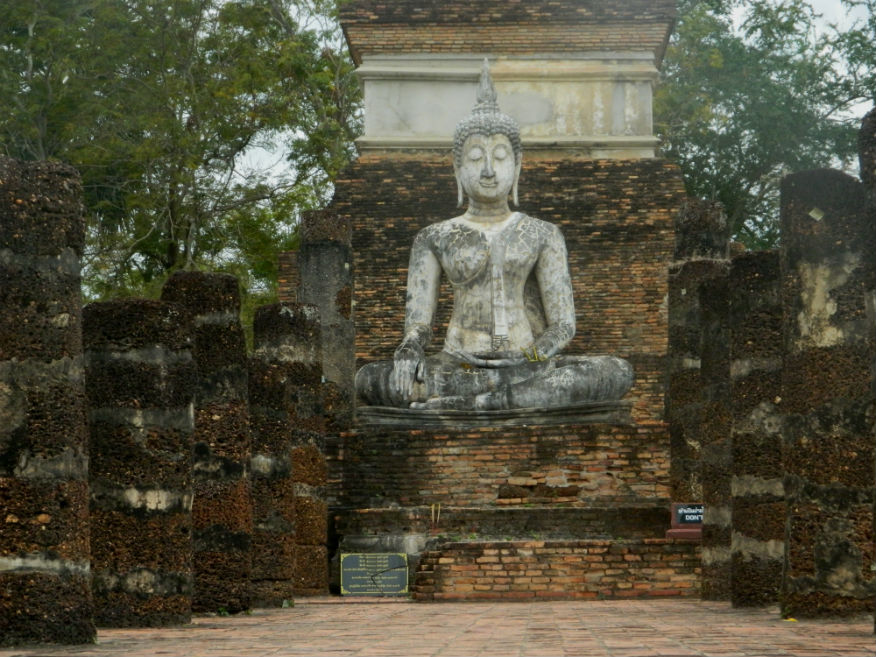
Wat Trapang Ngoen
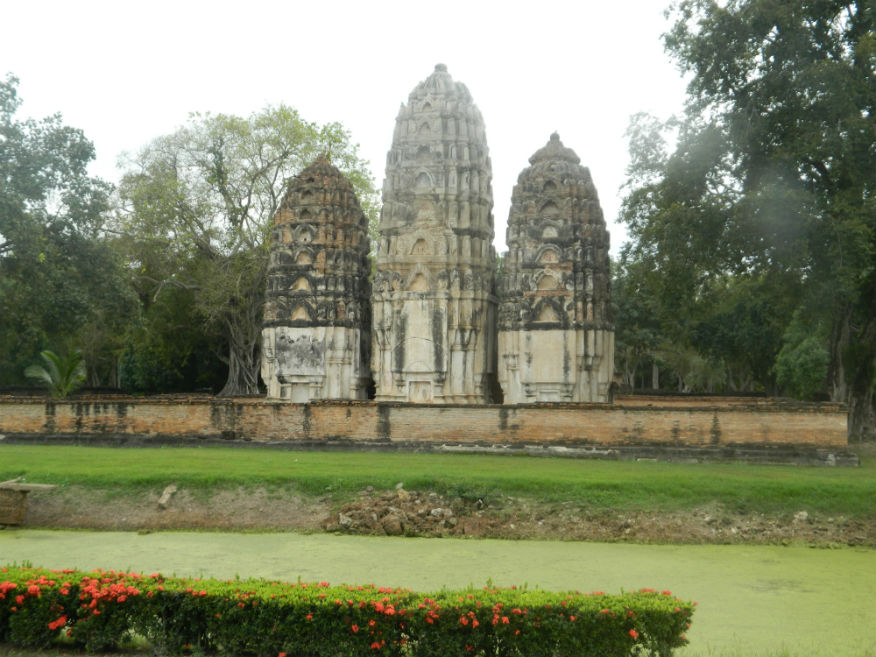

Wat Si Sawai
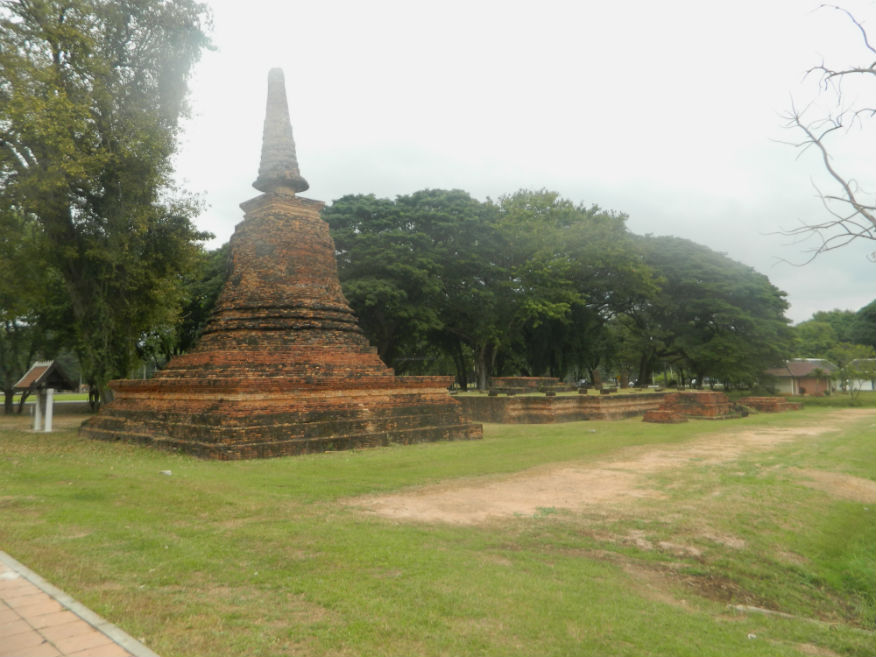
Wat Tra Kuan
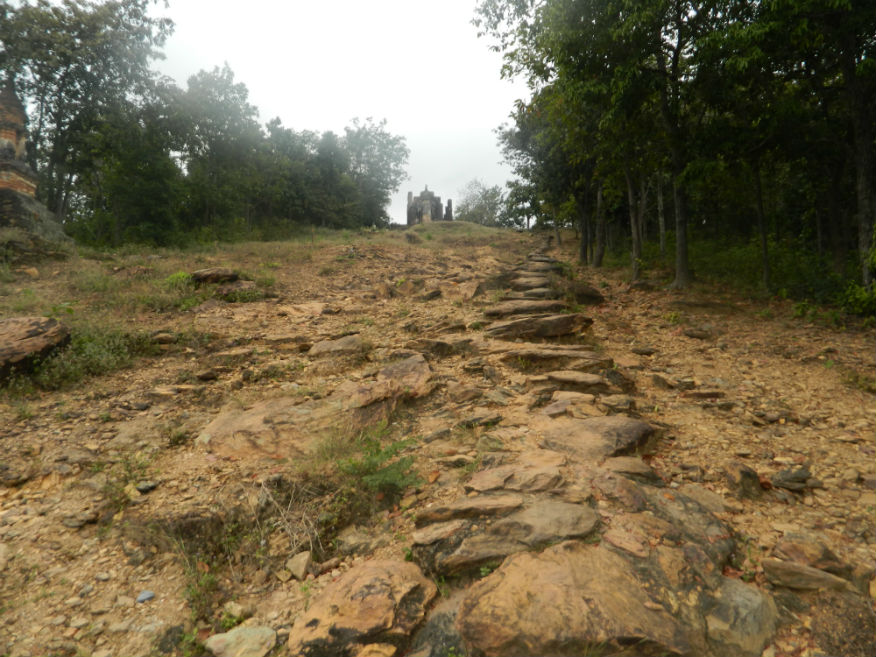

Wat Saphan Hin
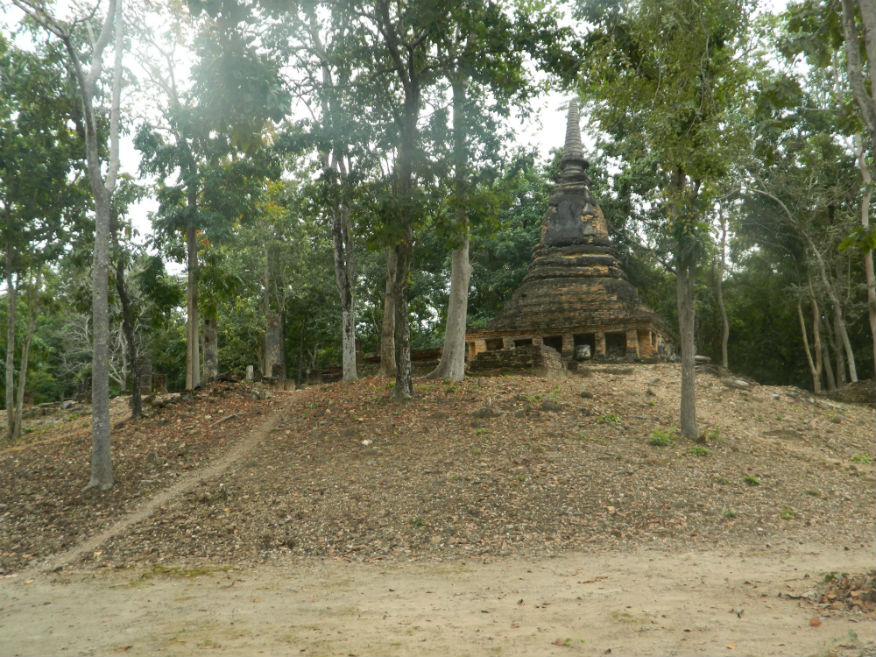
Wat Chang Rop

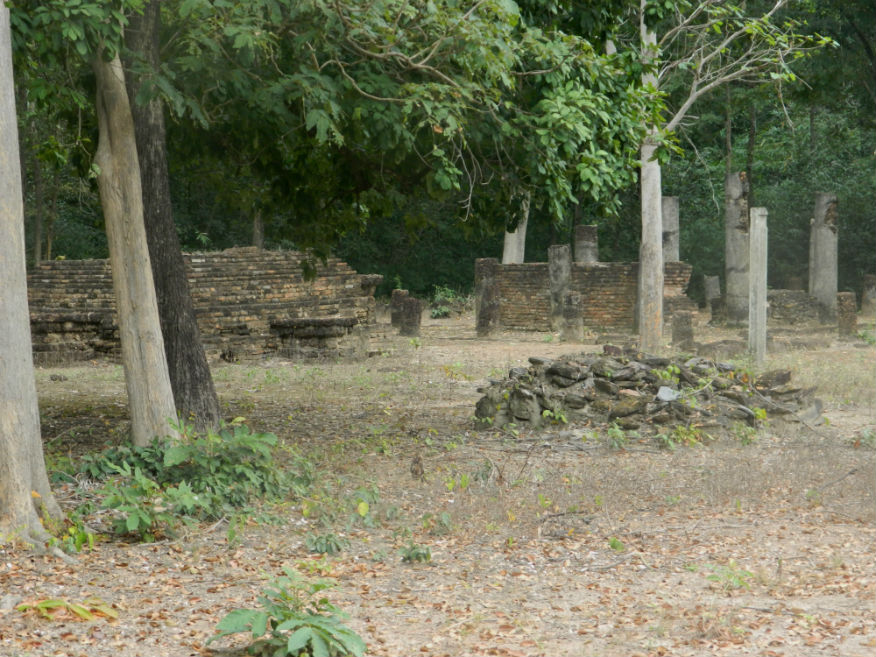

Wat Aranyik
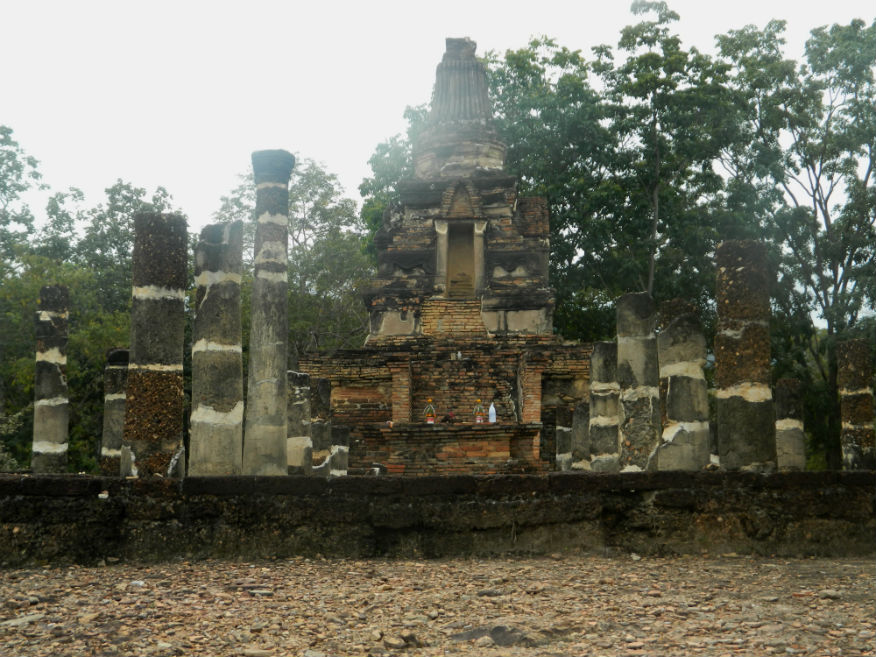
Wat Khao Phra Bat Noi

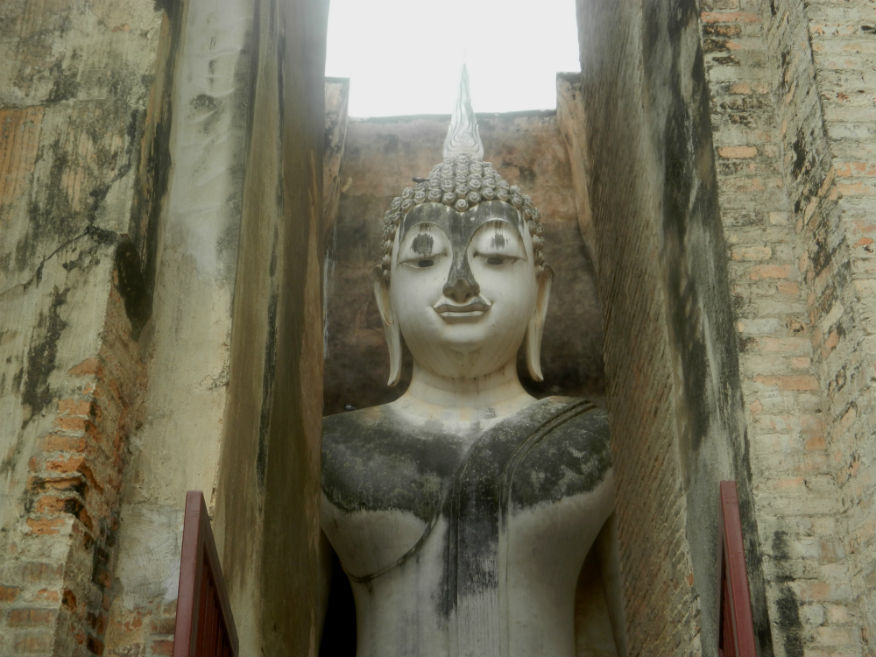
Wat Si Chum

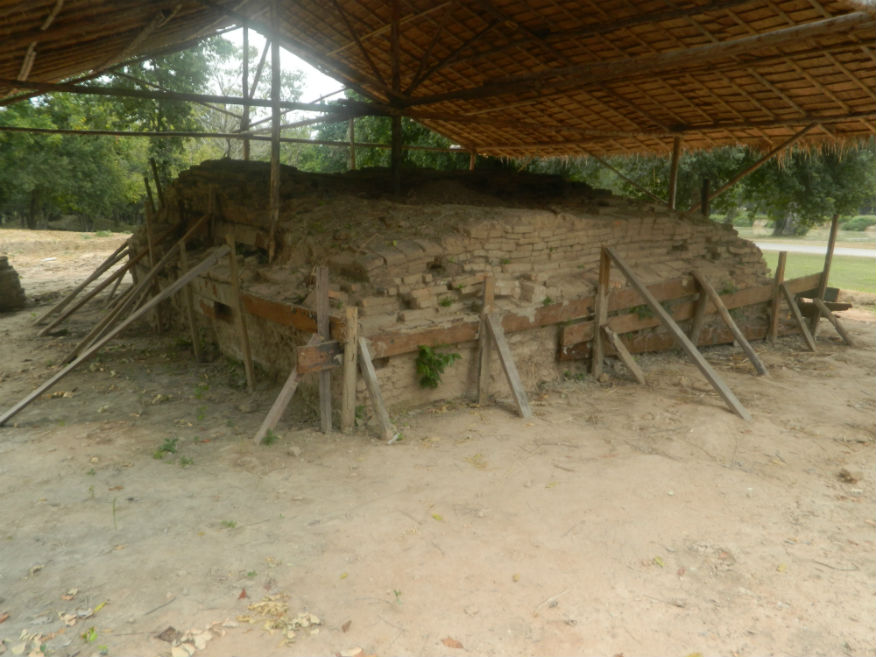

Thuriang Kilns


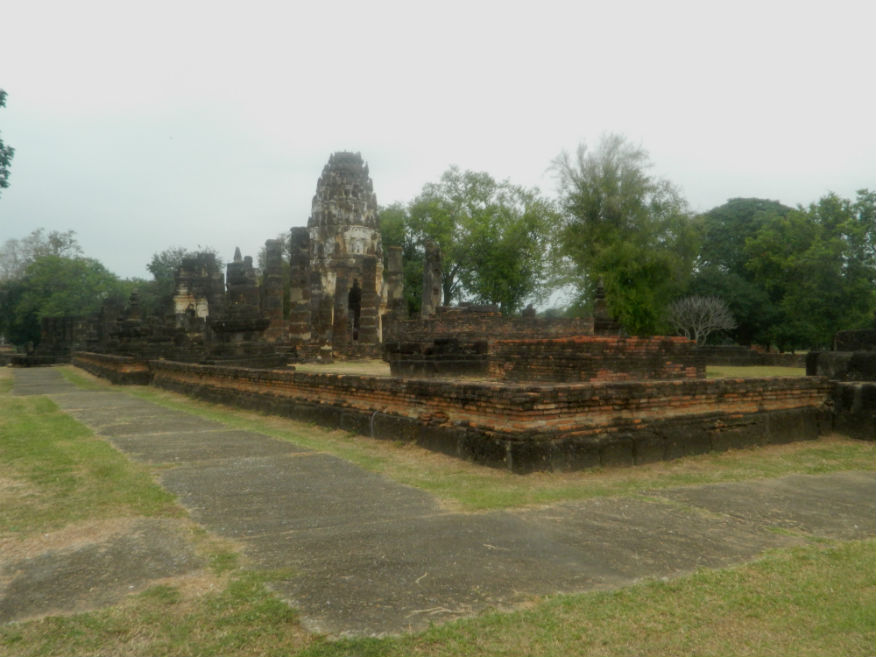

Wat Phra Phai Luang